A zero-waste closed ecosystem integrating high-density cold-water trout aquaculture, precision greenhouse crops, vertical microalgae photobioreactors, and insect protein bioconversion into sustainable fish feed.
95%+
Water Recycled
0 kg
Imported Fishmeal
100%
Nutrient Upcycling
Closed Loop
Ecological & Economic Context
Overcoming Agricultural Vulnerabilities
Arid Aquifer Depletion
Traditional open irrigation depletes precious freshwater reserves. Our closed-circuit recirculation captures and recirculates water through natural biofiltration, eliminating losses.
Imported Feed Volatility
Fishmeal dependency incurs massive financial costs and import risks. Synthesizing insect protein and microalgae lipids in-house secures an autonomous feed supply.
Nutrient Runoff Waste
Standard aquaculture discharges nitrate effluents into the environment. Our bio-integrated flow diverts and metabolizes these elements as valuable horticultural fertilizer.
Production Infrastructure
The Four Circular Production Pillars
Click any card to open its full technical engineering specification page.
Aquaculture Tier
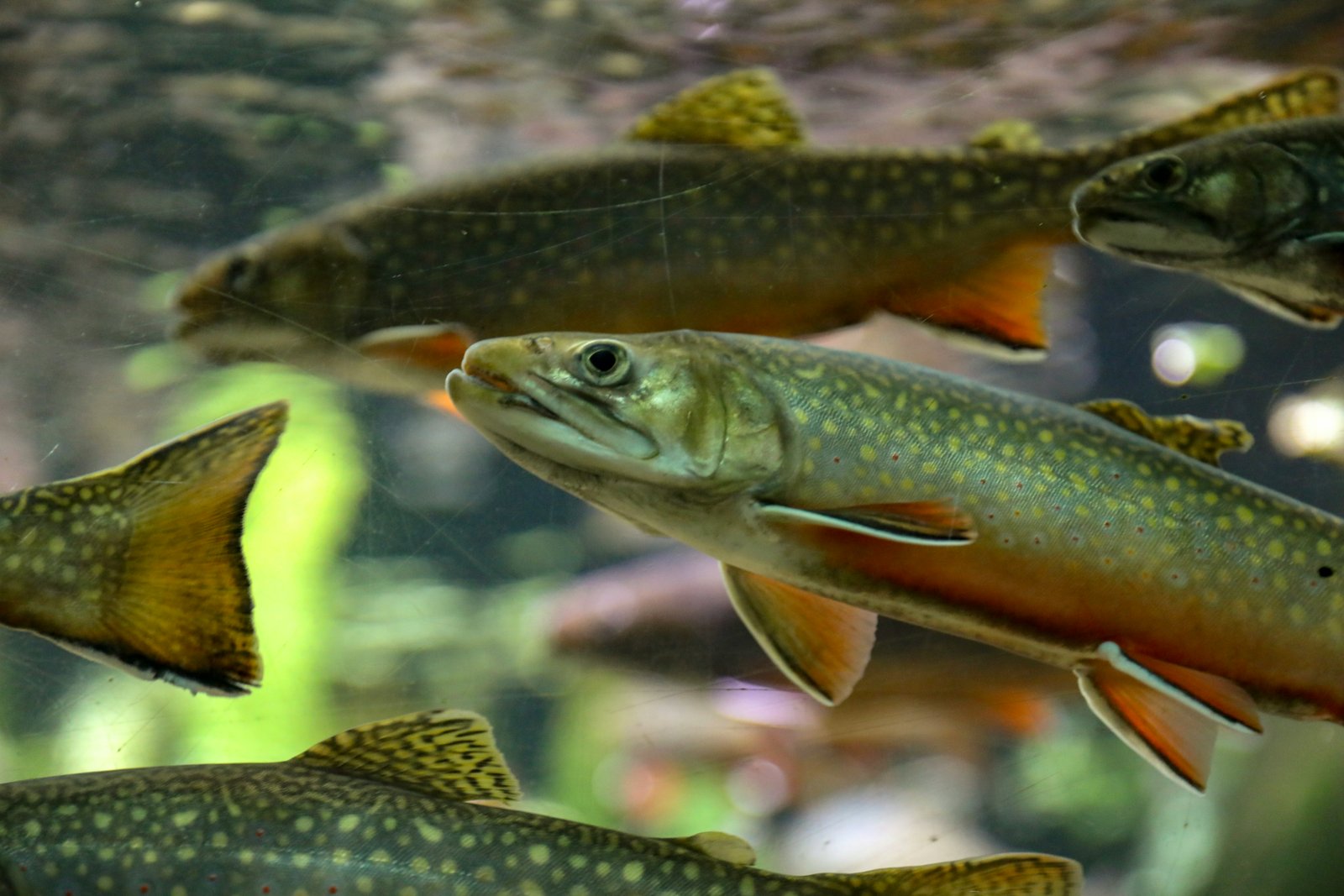
1. Cold-Water Trout RAS
Recirculating Aquaculture System engineered specifically for high-oxygen, cold-water trout production. Integrates mechanical micro-drum filtration, biological nitrification moving beds (MBBR), and pure oxygen injection cones.
Direct assimilation of biological aquaculture effluents. Fruiting vine crops (tomatoes, sweet bell peppers) grow on rockwool slabs with drip fertigation, while leafy greens flourish on Deep Water Culture (DWC) floating rafts.
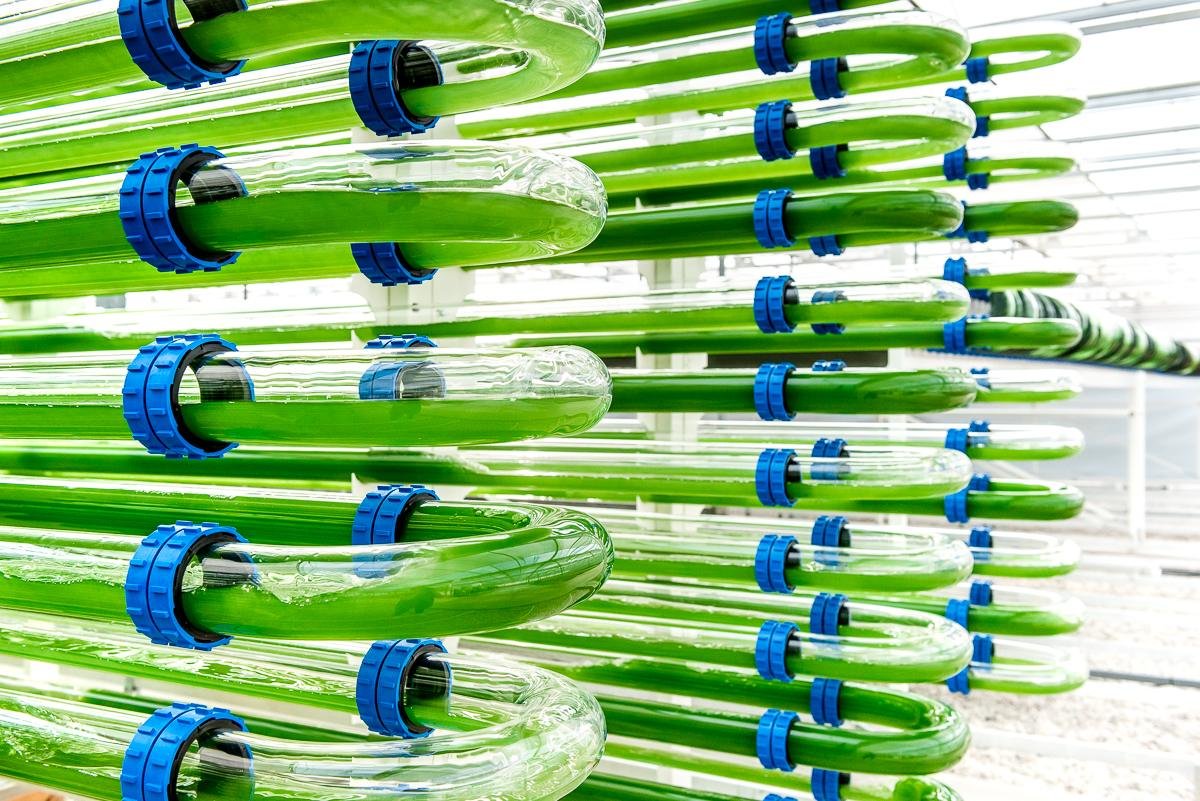
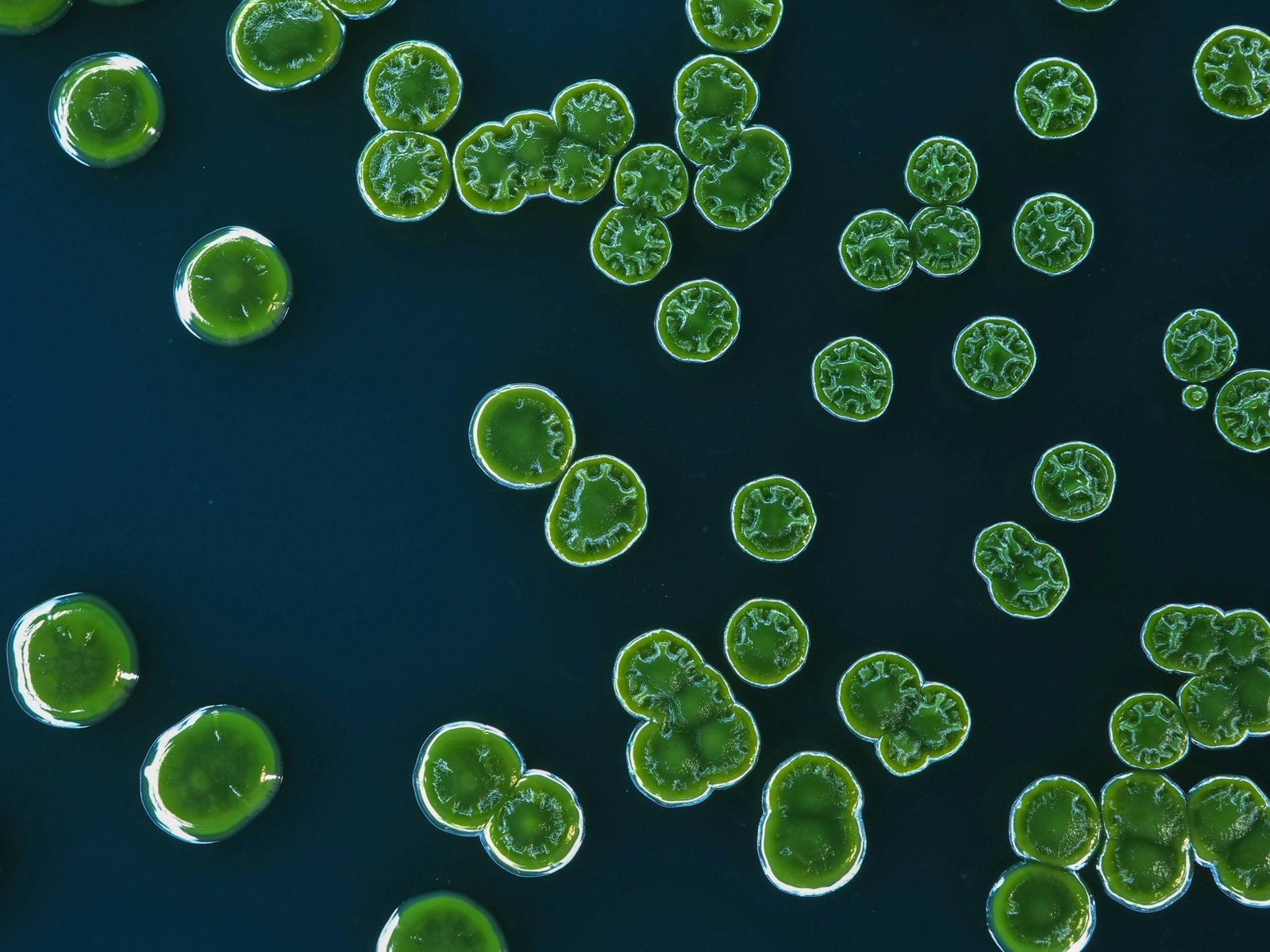
Closed vertical tubular photobioreactor columns cultivating Haematococcus pluvialis. Utilizes solar radiation and residual nitrates to synthesize natural astaxanthin and essential omega-3s for natural trout pigmentation and cellular immunity.
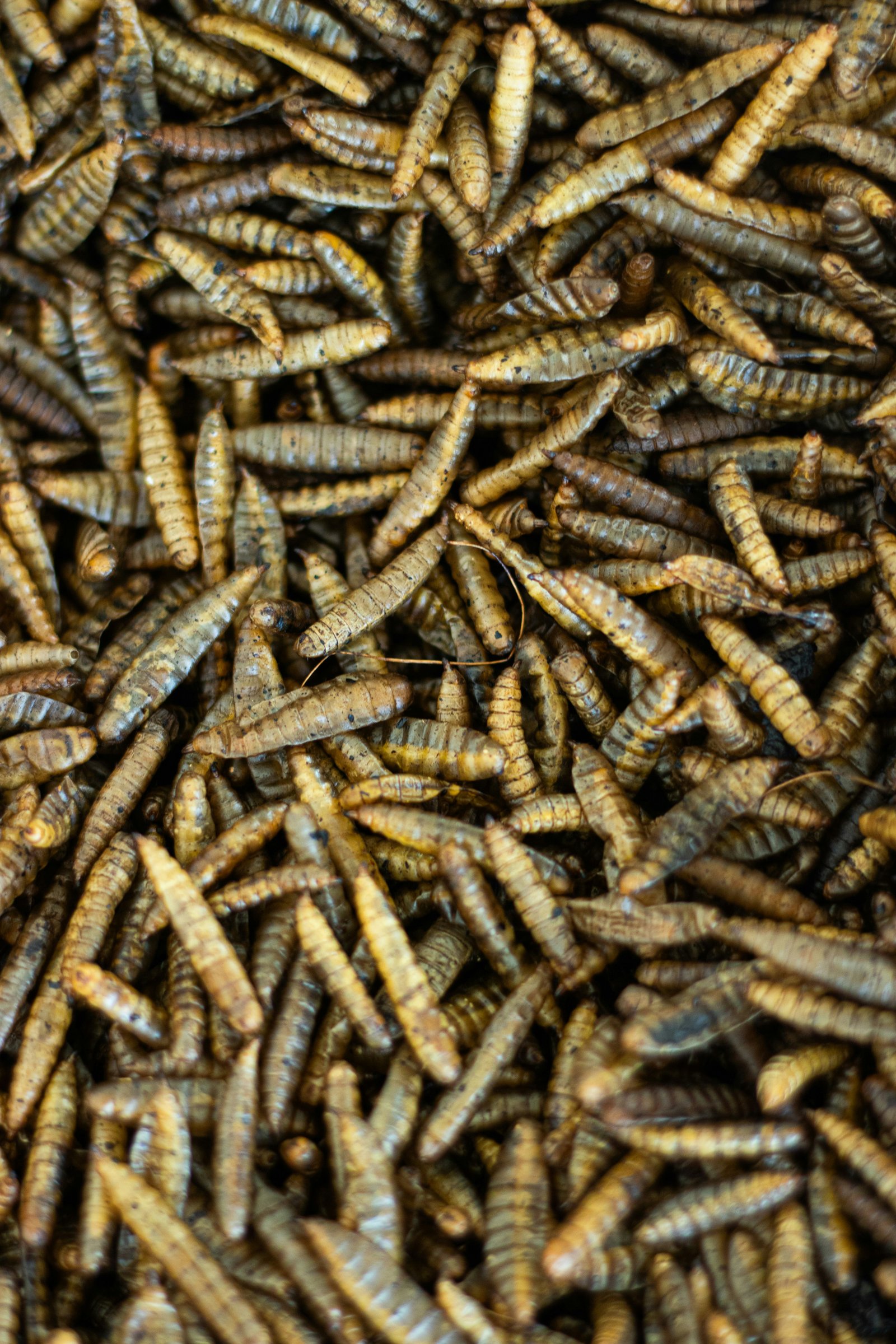
Hermetia illucens larvae bioconvert a co-digestion substrate composed of greenhouse plant prunings, culled fruits, and recovered RAS biosolids. Compounded with dried microalgae, they yield complete, high-protein floating feed pellets for the trout.
The high-density Recirculating Aquaculture System (RAS) operates under strict thermodynamic control to maintain Rainbow Trout (Oncorhynchus mykiss) in optimal growth conditions without environmental pathogen exposure.
Key Engineering Specifications
Water Temperature:13°C – 16°C (Chilled cold-water loop)
Dissolved Oxygen (DO):> 9.0 mg/L via pressurized O2 injection cones
Bio-Conversion:Two-stage moving bed biofilm reactor (MBBR) for complete ammonia nitrification
Role in Circular Loop
The RAS continuously clarifies the water and delivers nitrate-rich streams to the greenhouse beds. Suspended solids captured by the 40-micron drum filter are diverted into the BSF larvae co-digestion unit.
Horticulture Tier
Circuit 2: Greenhouse Aquaponic Cultivation
A dual-zone greenhouse engineering environment where aquaculture water feeds high-yield fruiting crops on inert rockwool and fast-cycling leafy greens on deep-water floating rafts.
Key Engineering Specifications
Vine Crop Substrate:Inert rockwool slabs with computer-controlled drip pressure-compensating emitters
Salad & Herb System:Deep Water Culture (DWC) food-grade high-density polystyrene floating rafts
Nutrient Dynamics:Direct absorption of fish-derived nitrate-nitrogen, potassium, and phosphorus
Biomass By-Product:Continuous pruning vegetation harvested daily for the BSF insectary
Role in Circular Loop
The greenhouse bio-filters the water, stripping excess nitrates and phosphorus while supplying fresh crops. All culled fruits and daily foliage trimmings are diverted to the insect larvae bioconversion reactor.
Closed tubular glass photobioreactors cultivate the freshwater microalga Haematococcus pluvialis. Operating in a two-stage process (green vegetative growth followed by red astaxanthin induction), this circuit synthesizes natural red astaxanthin and omega-3 fatty acids without synthetic petrochemical additives.
Key Engineering Specifications
Reactor Geometry:Vertical borosilicate glass tubular array with gas exchange degasser header
Harvesting Method:Continuous disc-stack centrifuge with gentle cell disruption for high bioavailability
Role in Circular Loop
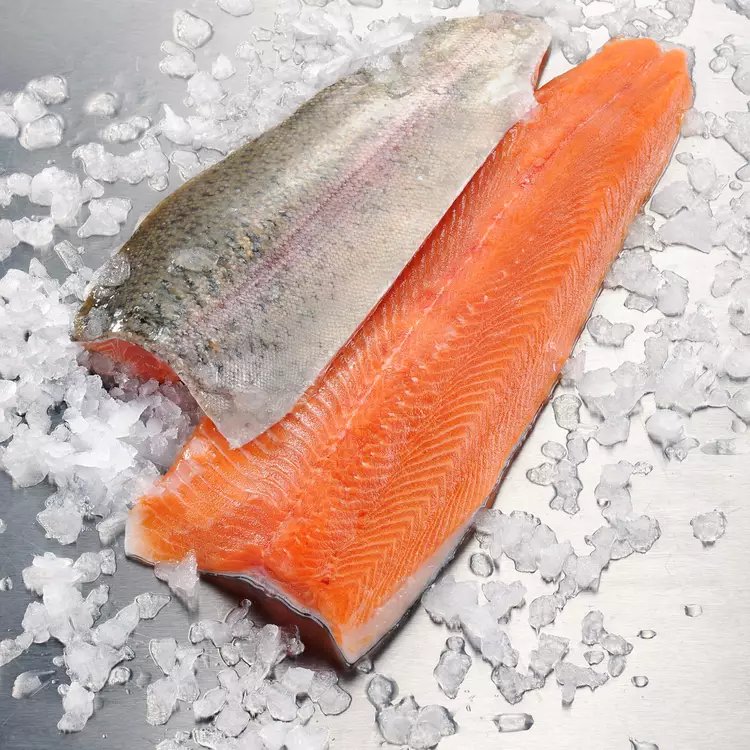
The concentrated red astaxanthin biomass is blended directly with BSF insect flour in the pellet extruder. It provides natural, organic pink pigmentation to the trout flesh while delivering powerful antioxidant and anti-stress immunity to the school.
Insect Feed Tier
Circuit 4: Black Soldier Fly Bioconversion & Pellet Mill
Hermetia illucens larvae are reared on a nutritionally balanced co-digestion blend combining greenhouse pruning residues, culled tomatoes/peppers, and recovered fish solids. The harvested prepupae are milled and compounded with Haematococcus microalgae into floating trout feed.